Places
36 places found.
Those places high-lighted have photos. All locations may have maps, books and memories.
- Shanklin, Isle of Wight
- Ventnor, Isle of Wight
- Ryde, Isle of Wight
- Cowes, Isle of Wight
- Sandown, Isle of Wight
- Port of Ness, Western Isles
- London, Greater London
- Cambridge, Cambridgeshire
- Dublin, Republic of Ireland
- Killarney, Republic of Ireland
- Douglas, Isle of Man
- Plymouth, Devon
- Newport, Isle of Wight
- Southwold, Suffolk
- Bristol, Avon
- Lowestoft, Suffolk
- Cromer, Norfolk
- Edinburgh, Lothian
- Maldon, Essex
- Clacton-On-Sea, Essex
- Felixstowe, Suffolk
- Norwich, Norfolk
- Hitchin, Hertfordshire
- Stevenage, Hertfordshire
- Colchester, Essex
- Nottingham, Nottinghamshire
- Bedford, Bedfordshire
- Bury St Edmunds, Suffolk
- Aldeburgh, Suffolk
- St Albans, Hertfordshire
- Hunstanton, Norfolk
- Chelmsford, Essex
- Bishop's Stortford, Hertfordshire
- Peterborough, Cambridgeshire
- Brentwood, Essex
- Glengarriff, Republic of Ireland
Photos
11,145 photos found. Showing results 17,301 to 11,145.
Maps
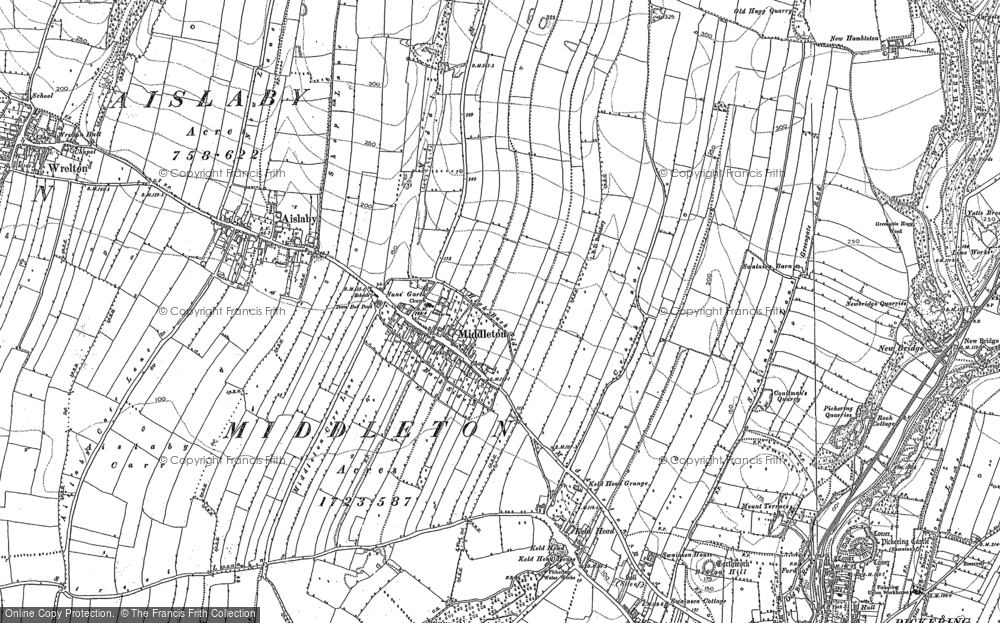
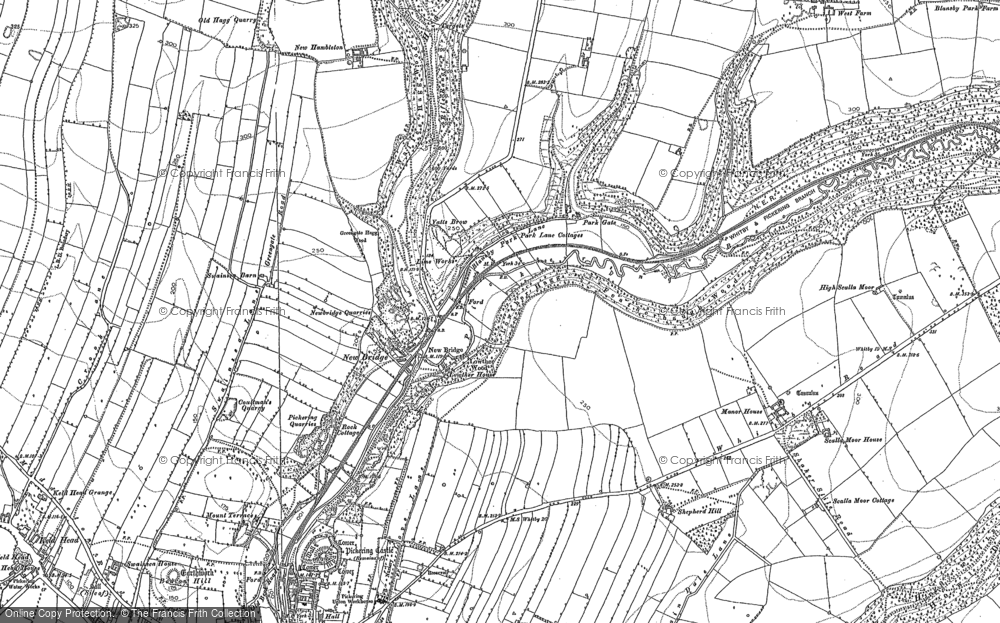
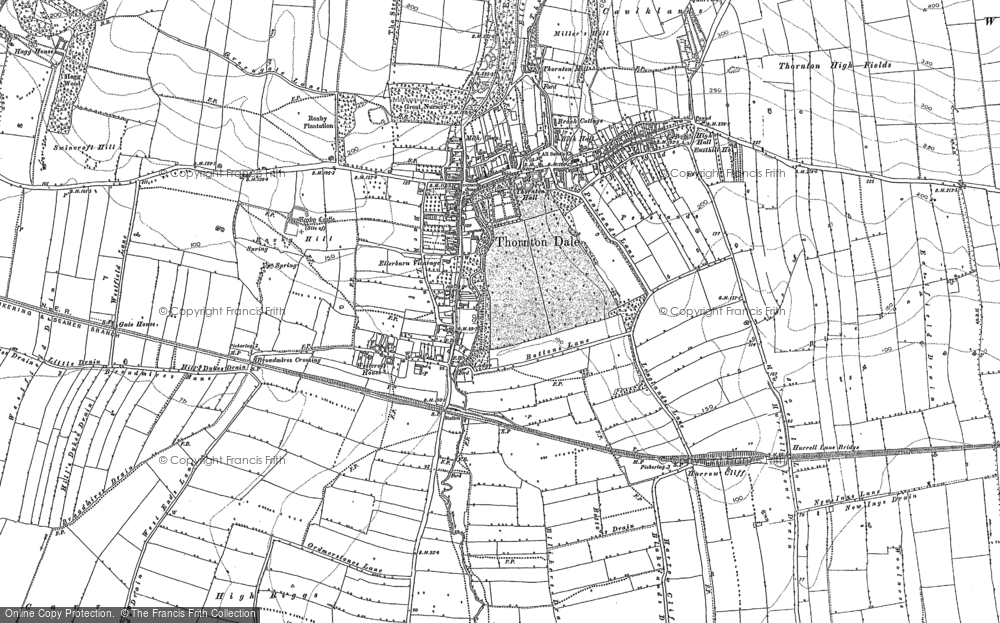
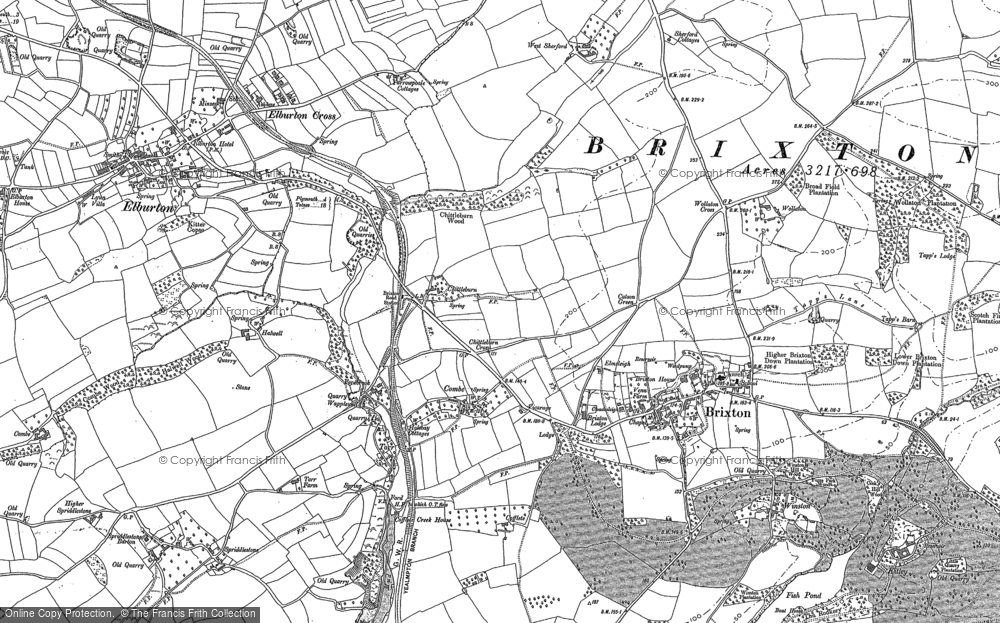
181,031 maps found.
Books
442 books found. Showing results 20,761 to 20,784.
Memories
29,074 memories found. Showing results 8,651 to 8,660.
Family History
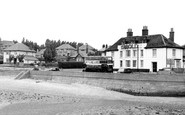
My ancestors owned this public house in the late 18th century. Prior to this they were tenants of the Duke of Bristol and the head of the household was the ferryman. He was mentioned in a letter to the Duke from a disgruntled ...Read more
A memory of Shotley Gate by
How Has Patcham Changed
I was born in Wilmington Way Patcham in 1938. I remember it to be high up on the South Downs. Has anyone posted up to date pictures of Patcham on the net, please. I left in about 1942, and would like to know what it looks like now.
A memory of Patcham in 1930 by
Bell Ringing
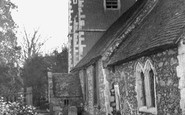
The is the church I was baptised in. As I child I used to go bell ringing here (St James the Less). We used to climb up the very narrow stairwell being very careful not to slip. Every week we used to practise. There were six bells and I ...Read more
A memory of Dorney in 1960 by
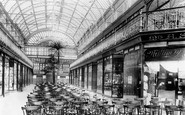
Wragg's Photographic Studio?
Hi - I have a couple of photos of my great-grandmother taken by Wragg, a photographer in Wigan and Leyton Arcade, Southport. I'd like to hear from anyone who can help me date the pictures by comparing the frames. The ...Read more
A memory of Southport in 1900 by
South Parade
I was born in Northallerton in 1952. My father was a cousin of the Smirthwaites and therefore worked in the garage that was once where Argos now stands. My mothers family were Atkinson's and they lived in South Parade. There were 6 ...Read more
A memory of Northallerton by
Patricroft Shops
There was an ironmonger's shop on Patricroft Bridge ( the Eccles side) owned by a man called Richmond, whose daughter May attended Eccles Grammar School - though she was too nice a girl to have anything to do with a yob like me! ...Read more
A memory of Patricroft in 1946 by
Cinema On A Saturday As A Boy
I grew up in Driglington late 50s/ 60s and remember going to watch Roy Rogers and Hopalong Cassidy, now that was another lifetime ago. As I got a bit older lots of us drig lads used to visit a coffee shop in the main ...Read more
A memory of Birstall by
Our Home On The Village Green
I lived in Quainton in the 1950s, on the corner of The Green and Lower St. My family had the drapers shop. I remember bonfire night on the green, rolling down Mill Hill, Christmas carols, ballet lessons in the church ...Read more
A memory of Quainton in 1957 by
Circus At The Village Hall C 1955
We lived in the village pub The Lifeboat Inn. I remember being flooded and all the beer barrels floating in the cellar, mum cooking mussels given in lieu of beer, which were left in the bath and climbed up the ...Read more
A memory of Brancaster in 1955 by
Your search returned a large number of results. Please try to refine your search further.
Captions
29,395 captions found. Showing results 20,761 to 20,784.

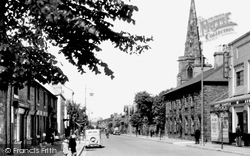
It was 1938 when Gary Cooper starred in 'The Adventures of Marco Polo', showing in Flint in the Grand cinema.
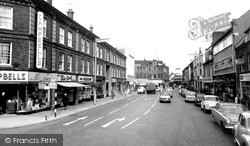
Burton's can be seen in the middle of this photograph, the white building by the white van and delivery lorry,
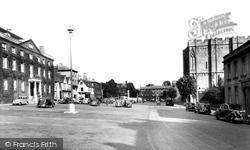
The gateway to the Abbey and the commercial edge of the secular town face each other across Angel Hill.
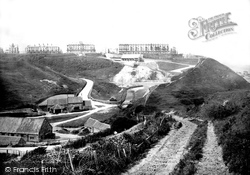
The older part of the town is to the left, with the resort on the cliff in the background.
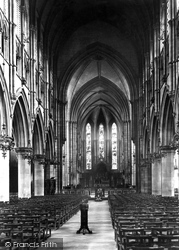
Here we see the imposing interior of St Mary's Cathedral. By 1879, construction costs amounted to more than £110,000.
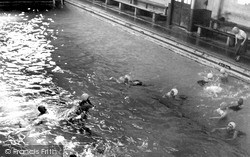
Before the opening of the swimming baths, the townspeople had only the open-air pool in Moor Lane. That was certainly well used, sometimes by as many as 1,000 people.
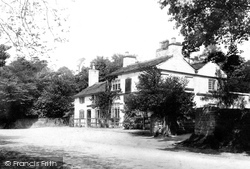
All the local farming families tried to get back to Alderley for Wakes week in the third week of August.
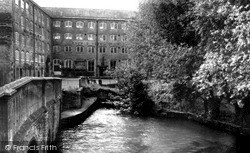
St John's Bridge is on the left. The Avon Mill at this time was occupied by Hugh Dryden & Co Ltd, who sold antiques and works of art here until the late 1970s.
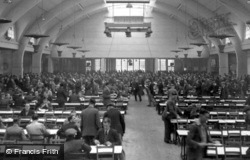
Part of the main dining room during an average lunch break. This building also housed management dining facilities, the Social Club, and private meeting rooms.
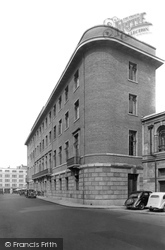
The present Guildhall building, with its clean neo-Georgian styling, replaced the earlier one on the south side of the market square in 1936-7.
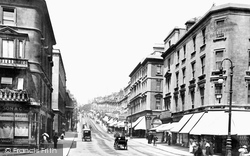
This is Park Street in the days before the top end was dominated by the Gothic tower of the university, designed by Sir George Oatley.
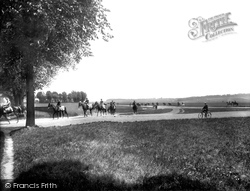
Every approach to Newmarket passes through the surrounding heaths, where each day lines of slim, graceful racehorses can be seen being exercised by stable lads.
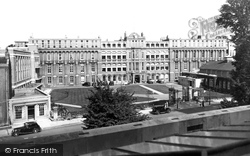
The present Guildhall building, with its clean neo-Georgian styling, replaced the earlier one on the south side of the market square in 1936-7.
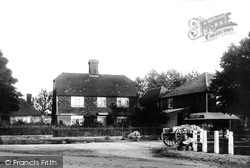
On the right, beside the village pond, a horse-drawn wagon and a group of people wait in the shade.
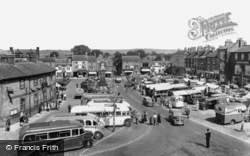
During the 18th and 19th centuries, Thirsk was one of the posting stations serving the Great North Road; The Fleece was the main coaching inn.
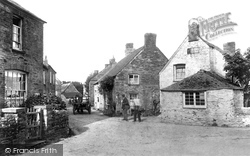
A lone farm wagon trundles between the houses in a village built of local slate. Only some chimneys and window surrounds are finished in brick.
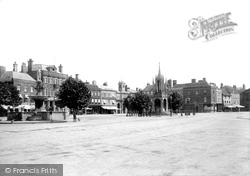
This view shows the main features of the Market Place - the fountain, the Market Cross and the Market Hall. The Market Place is uncharacteristically empty.
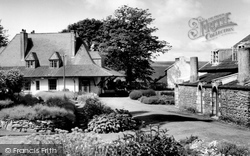
The building on the left is the present Post Office, under the shadow of the Priory itself.
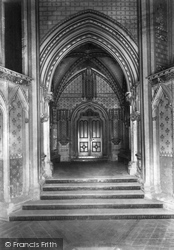
The church is built of oolitic limestone.
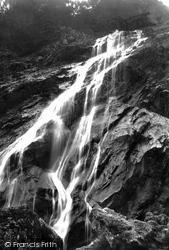
The River Dargle falls down a precipice of about 300 ft, and this has long been a popular spot with sightseers.
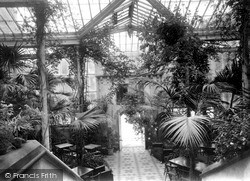
The door, the two-seater sofa and the chairs give us some indication of how very large the Palm Court was.
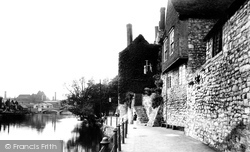
The promenade - Undercliff Walk - alongside the Archbishop's Palace, looking north towards Maidstone Bridge and the chimneys of the industrial area beyond.
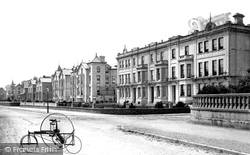
In front is one of the many bicycles and tricycles that flooded the town.
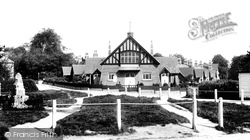
The half-timbered village hall, with its adjacent rows of almshouses, overlooks this peaceful scene with its curiously maternal architecture.
Places (6814)
Photos (11145)
Memories (29074)
Books (442)
Maps (181031)