Places
7 places found.
Did you mean: canol ?
Those places high-lighted have photos. All locations may have maps, books and memories.
Photos
25 photos found. Showing results 41 to 25.
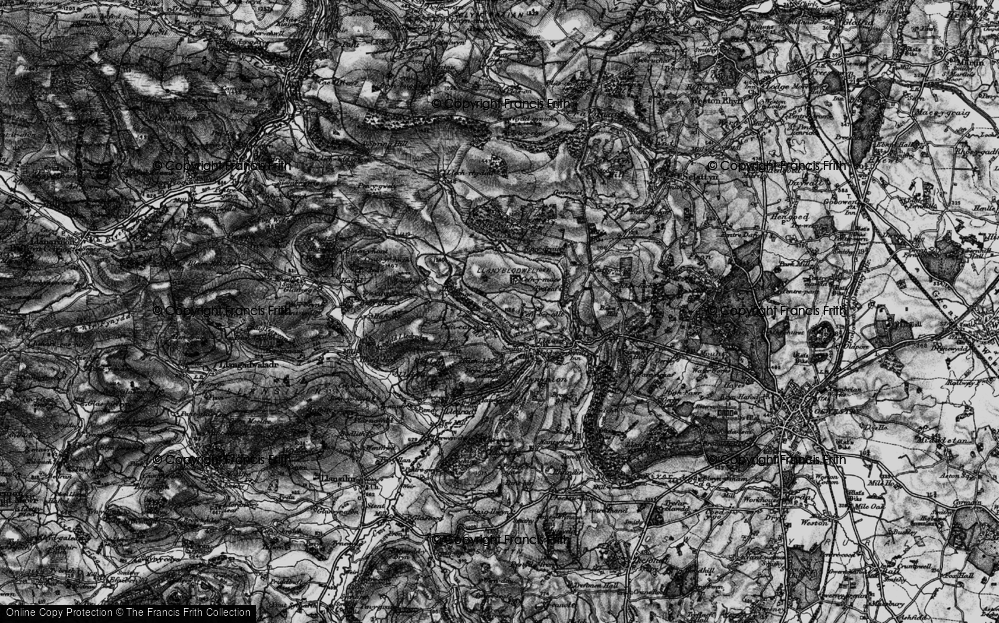
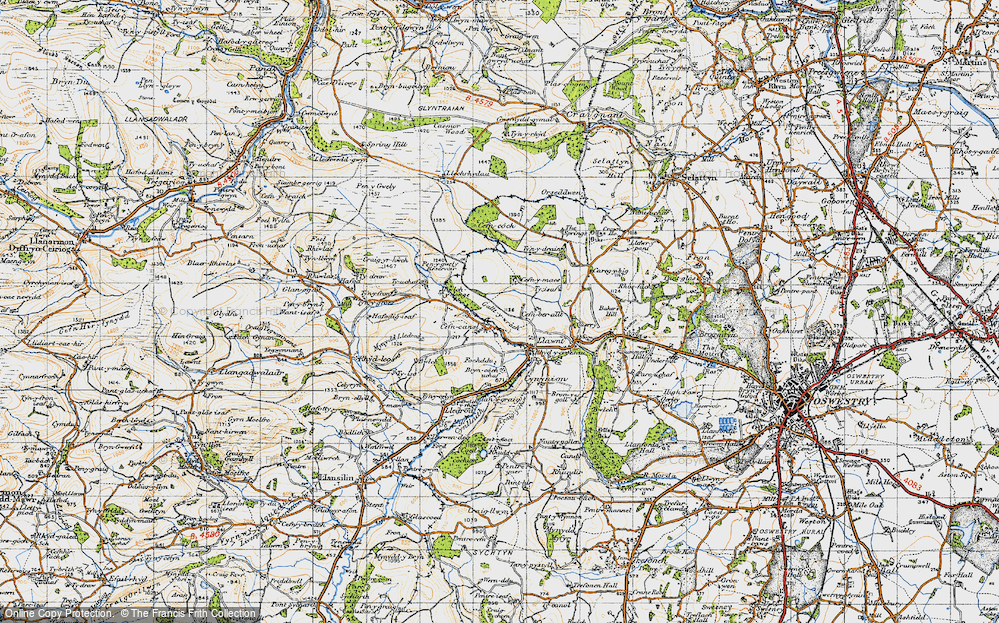
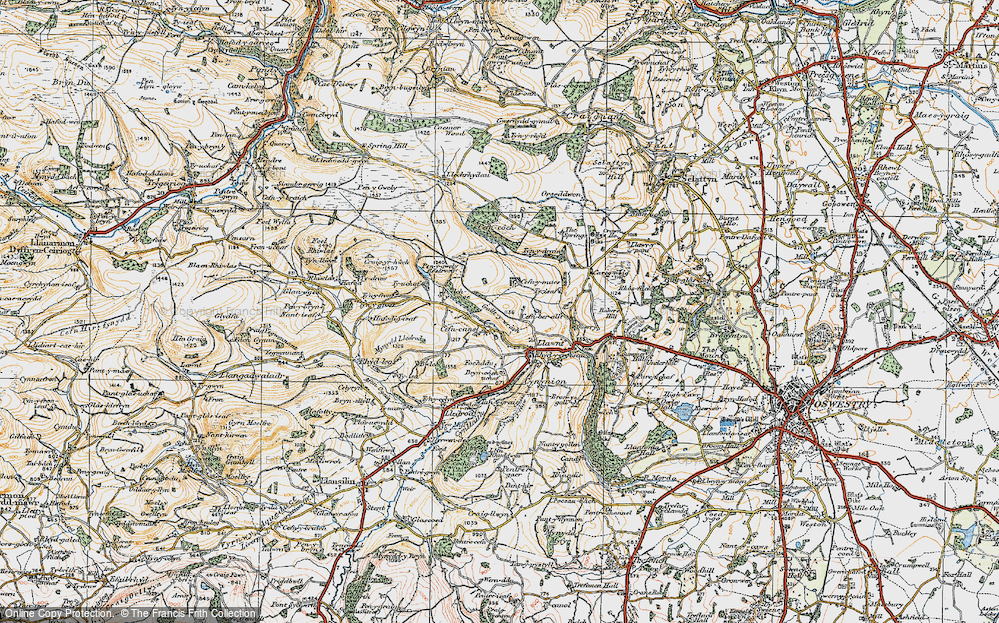
Maps
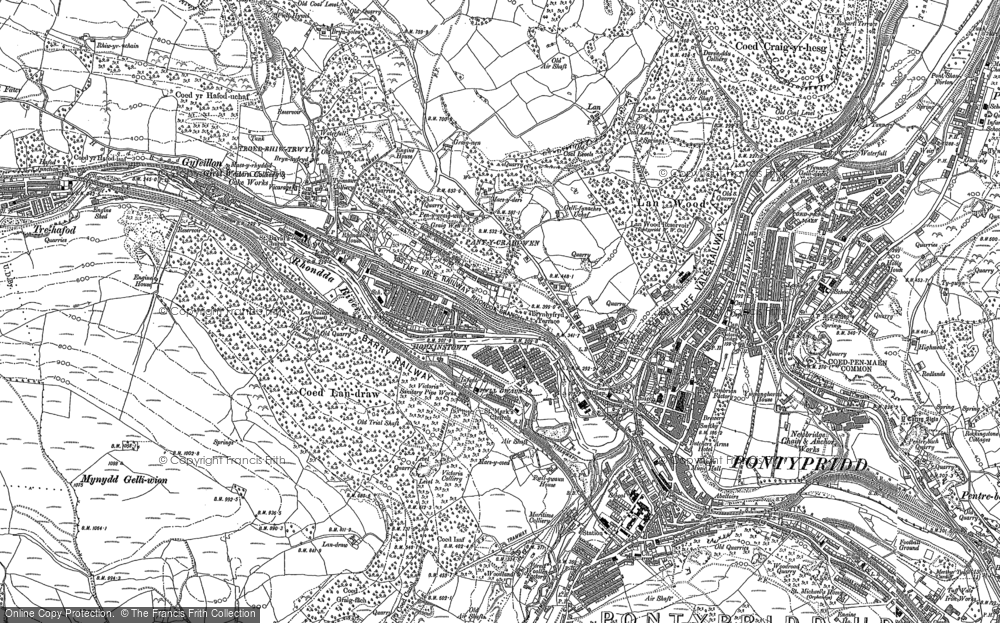
656 maps found.
Books
Sorry, no books were found that related to your search.
Memories
250 memories found. Showing results 21 to 30.
Lofthouse's Newsagents
So I see it now again after so many years the shop on the corner with that sign Lofthouse's Newsagents above the entrance I went under many times to collect my comics hot from the presses of D.C.Thomson of Dundee: Beano ...Read more
A memory of Worksop by
A Childhood Reminiscence
I lived in Edgware from 1941 and, although a young child, I remember the war years vividly, especially collecting shrapnel and the sounds of bombs, anti-aircraft guns and V2 rockets. In 1944 I began school at Edgware ...Read more
A memory of Edgware in 1940 by
Wilton Memories
Like Gloria Friend, I spent a happy childhood in Hornchurch, attending Suttons Primary School where my mother (Mrs Wilton) was deputy head and Mr Occomore our headmaster. We were carefully drilled in our tables, phonics and ...Read more
A memory of Hornchurch in 1948 by
Childhood Holidays
My gran bought 3 caravans in 1957 which were on the caravan site at Lower Largo. My parents, brother, me, my aunt, my uncle and their 2 children all spent all our holidays there - summer, easter, bank hols, etc. Us children ...Read more
A memory of Lower Largo in 1957 by
St Mary School
At the top of the town towards the flats is St Mary's church. I used to attend St Mary's school which was situated behind the church. One day when everyone turned up for school it had been burned to the ground, I think I was ...Read more
A memory of Brierley Hill in 1965 by
More Foggy Beacon Park
I also remember a foggy Beacon Park, probably 1954. I used to live in the Close, my father being a minor canon, and went to a nursery school (Mrs Allen's) on the other side of the park. I think that one of my parents would ...Read more
A memory of Lichfield in 1953 by
Mossband Camp
My father was a serving soldier, serving at the RAOC camp until 1948. We lived in the YMCA building in the camp itself and it had a large functions hall attached where one of our officers once entertained the children at Christmas ...Read more
A memory of Mossband Ho in 1947 by
Butterflies
I believe my great uncle Edward Goodwin of Canon Court, Wateringbury, donated his Butterfly and Moth Collection to the Maidstone Museum on his death in 1934. Since that time I think the museum was burnt down, and of course, the butterfly collection too.
A memory of Maidstone in 1930 by
Captions
86 captions found. Showing results 49 to 72.

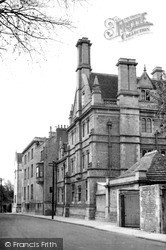
This then became the core of the college, which was founded in 1860 by Canon Sir James Erasmus Philipps, , to educate young men as missionaries.
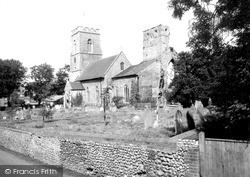
The priory was erected in the 13th century by Sir Ralph Manwaring, and occupied by Augustinian canons subordinate to Westacre Priory.
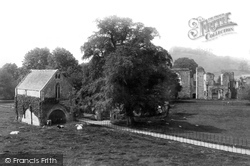
It was founded by Roald, Constable of Richmond Castle in 1155, for the Praemonstratensian Order, or White Canons as they were sometimes called.
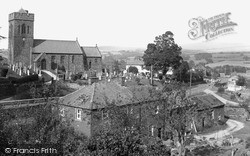
Not long after, the enthusiastic wood-carving cleric Canon Wilson adorned the interior with much of his own work.
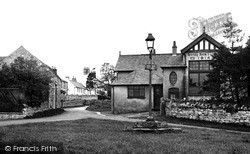
The Institute and Reading Room, built in an eclectic Arts and Crafts style, recalls the contribution to that Movement made by local protagonists like John Ruskin, Albert Fleming, W G Collingwood and Canon
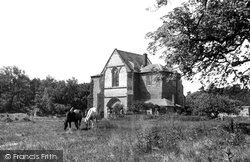
This priory of Augustinian canons was founded in 1171. The gatehouse of 1320-25 is the only structure that remains. The other side has magnificent flatwork decoration and rows of heraldry.
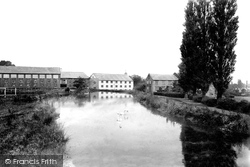
There is still plenty of stone, although not the wonderful golden oolitic limestones from Ham Hill and the far south of the county; here we have the Blue Lias, a thin limestone which can only
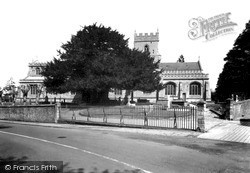
Canon Sir James Philipps, rector from 1859 to 1897, paid Blomfield to renew the church of St Denys in 1887- 89.
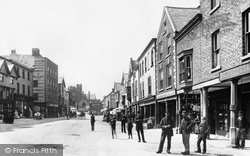
We can only imagine this concourse brimming with farmers, traders and livestock from those early days.
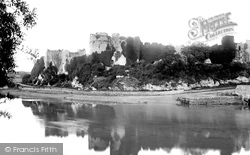
Pembroke was taken by Roger in 1093, during what can only be described as a scramble by Norman lords to help themselves to the lands of the recently murdered Rhys ap Tewdwr.
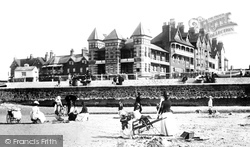
Its atmosphere is exemplified in this photograph showing families genteelly disporting themselves on the beach in front of St Mildred's Hotel and Bathing Establishment; one can only speculate at
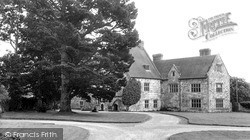
Michelham Priory was founded in 1229 as a house for thirteen Augustinian canons, who took over a Norman moated manor house.
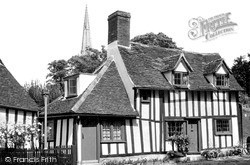
It is tucked round the corner in Myddylton Place and can only be seen by those who explore the town on foot, for the apparent cul-de-sac leads through a twitchell (a local name for an alleyway) into the
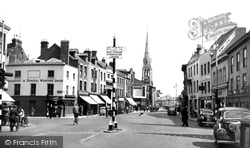
The church spire in the distance is that of St Peter's; it was built between 1860 and 1868, during the pastorate of Canon Calderbank.
Its atmosphere is exemplified in this photograph showing families genteelly disporting themselves on the beach in front of St Mildred's Hotel and Bathing Establishment; one can only speculate at
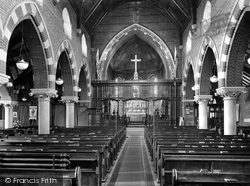
When that chapel was demolished, the screen was presented to St Dunstan's rector, the Rev Canon Wesley Dennis, who had previously been the principal of the college.
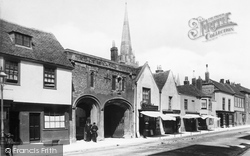
Here in South Street we see the late 15th-century Canon Gate which leads into the cathedral precincts.
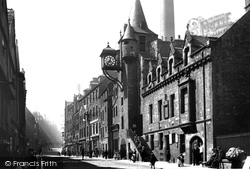
The Canongate was where the canons of Holyrood Abbey entered the Old Town. The tolbooth, with its projecting clock, is one of the most famous landmarks on the Royal Mile and dates from 1591.
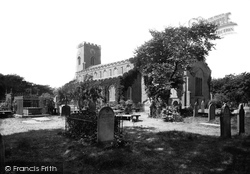
In the 20th century Canon Hawkins presented a modern cross to be fixed in the ancient base, and it was dedicated by Archdeacon Hornby of Lancaster in 1931.
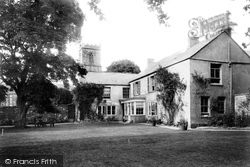
The Rectory in South Street, on the south side of St Mary's Parish Church, was the home of the Rural Dean, Rev Henry Richard William Farrer, who was an honorary canon of Salisbury Cathedral.
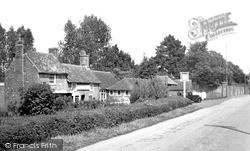
Not far away is Michelham Priory, founded in 1229 for 13 Augustinian Canons. King Edward I spent a night here on his way from Lewes to Battle. After the dissolution it became a farmhouse.
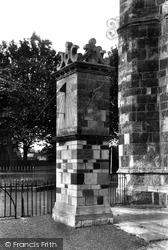
Being vertical, the main south-facing dial can only cast a shadow for 12 daylight hours, so two side dials are needed to extend the range.
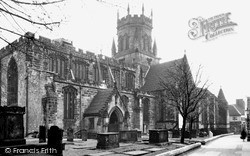
The nave of St Mary's acted as the parish church for the town, while the large chancel was used by a secular College of Canons, responsible to the King, whose duty was to pray for members of the
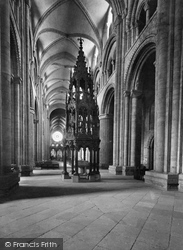
The huge marble font used today also dates from the time of John Cosin, who was a canon at Durham during the reign of Charles I, and later bishop under Charles II.
Places (7)
Photos (25)
Memories (250)
Books (0)
Maps (656)