Places
36 places found.
Those places high-lighted have photos. All locations may have maps, books and memories.
- Shanklin, Isle of Wight
- Ventnor, Isle of Wight
- Ryde, Isle of Wight
- Cowes, Isle of Wight
- Sandown, Isle of Wight
- Port of Ness, Western Isles
- London, Greater London
- Cambridge, Cambridgeshire
- Dublin, Republic of Ireland
- Killarney, Republic of Ireland
- Douglas, Isle of Man
- Plymouth, Devon
- Newport, Isle of Wight
- Southwold, Suffolk
- Bristol, Avon
- Lowestoft, Suffolk
- Cromer, Norfolk
- Edinburgh, Lothian
- Maldon, Essex
- Clacton-On-Sea, Essex
- Felixstowe, Suffolk
- Norwich, Norfolk
- Hitchin, Hertfordshire
- Stevenage, Hertfordshire
- Colchester, Essex
- Nottingham, Nottinghamshire
- Bedford, Bedfordshire
- Bury St Edmunds, Suffolk
- Aldeburgh, Suffolk
- St Albans, Hertfordshire
- Hunstanton, Norfolk
- Chelmsford, Essex
- Bishop's Stortford, Hertfordshire
- Peterborough, Cambridgeshire
- Brentwood, Essex
- Glengarriff, Republic of Ireland
Photos
11,145 photos found. Showing results 18,021 to 11,145.
Maps
181,031 maps found.
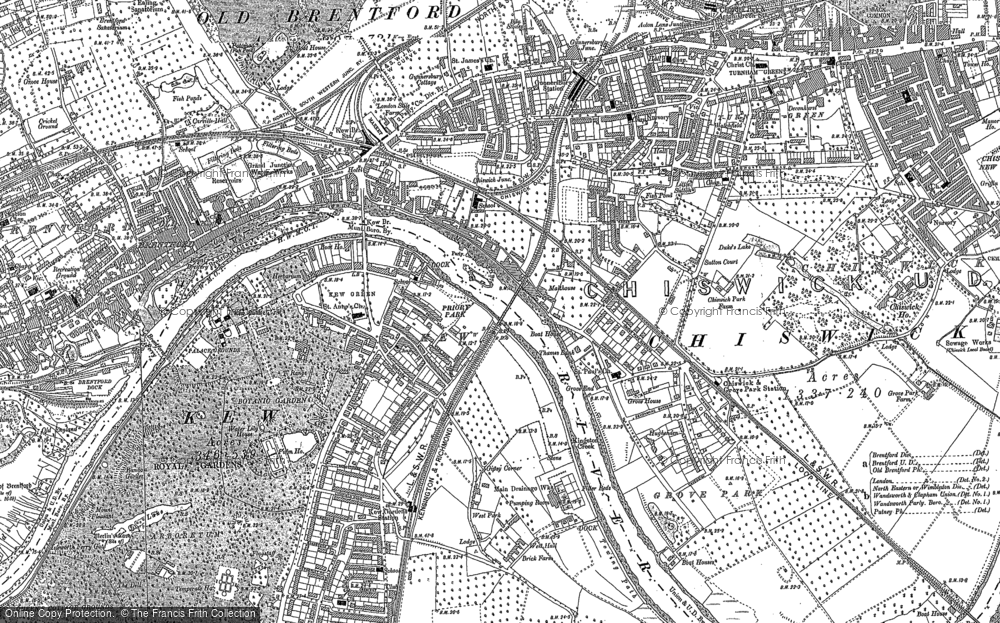
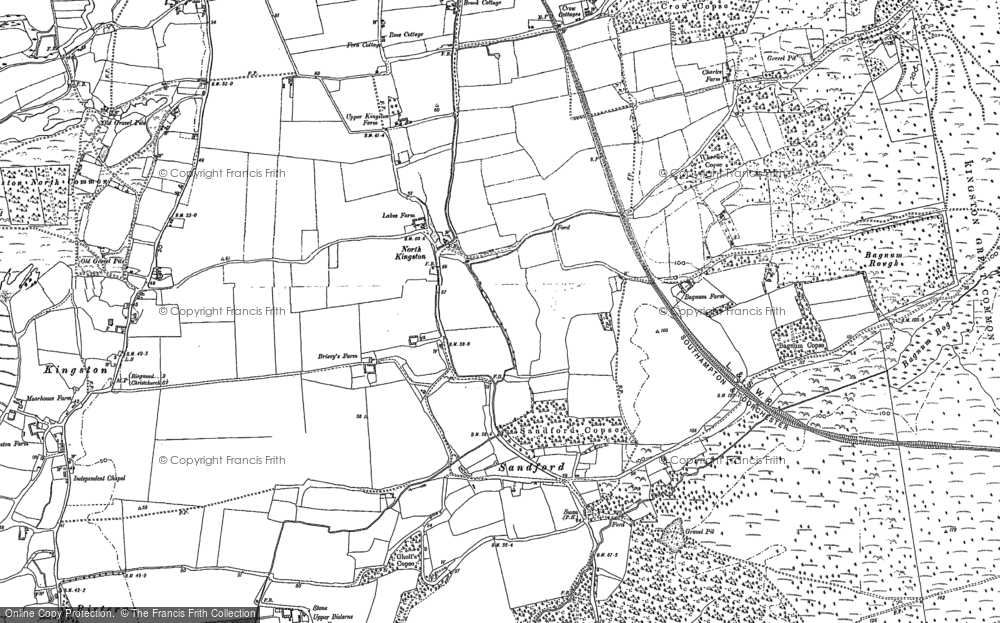
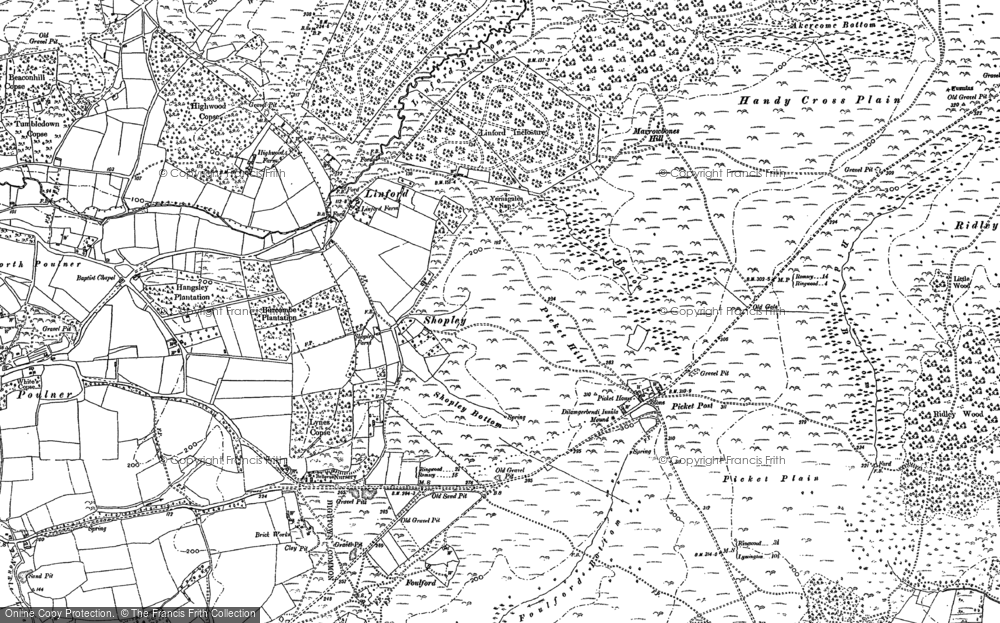
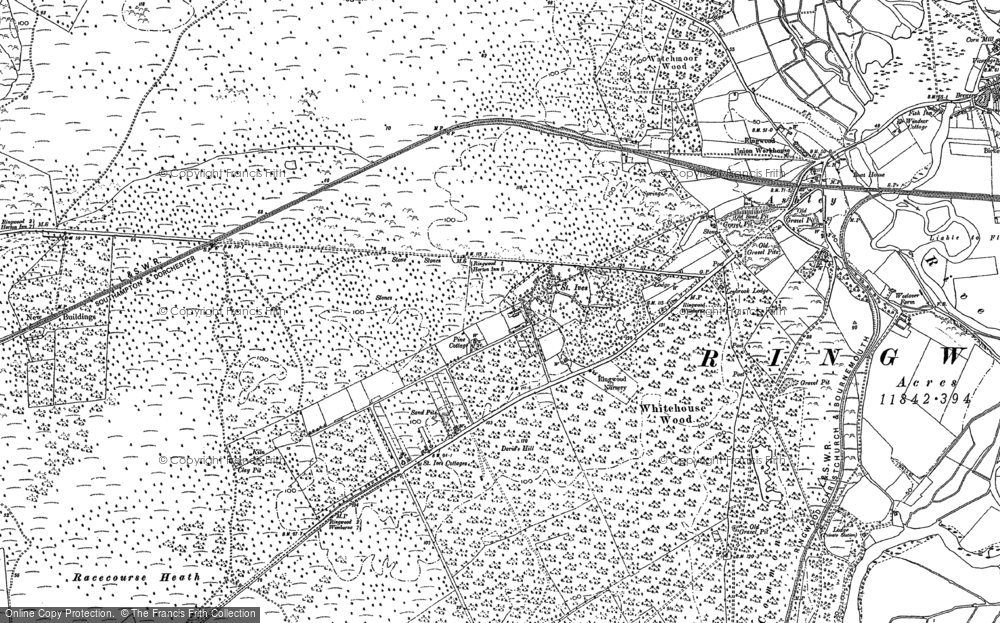
Books
442 books found. Showing results 21,625 to 21,648.
Memories
29,074 memories found. Showing results 9,011 to 9,020.
Budgen
Can anyone tell me the name of the house that was there before Budgens was put there.
A memory of Shepperton by
Alexandrina Ogilvie
I left Scotland heading to Australia on the SS Ormonde. My dad Frank, worked in the railways in Thornton. I can remember the smell of the steam engines which I still love. I did go back a few years ago to try and ...Read more
A memory of Thornton in 1949 by
The Farm On The Hill
I began my life's journey at Ty Gwyn farm in 1951 just before my 2nd birthday. I even remember climbing.the stairs at 1year 10 months. I would walk down Penywern Road to the Wern school. I remember standing on a chair in the ...Read more
A memory of Ystalyfera in 1954 by
Grandad
l was born in Sandyford. l spent hours of my childhood in Brook Street, Brown Lees. My grandad, Harry Booth, worked down the Victoria Pit. l remember seeing the miners on their way home with faces blackened by coal dust. l remember meadows ...Read more
A memory of Brown Lees in 1945 by
Speed
In relation to Reform Street and the city square on Friday/Saturday nights. We boys and our latest girlfriends (only if you had a car) used to meet and have a drag race either up Reform Street and back or a race from city square out under the ...Read more
A memory of Dundee in 1966 by
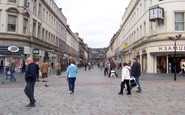
St Mary's Church
I was baptised in this church and belonged to the Youth Club. The Vicar at that time, was Rev. Welch, and 'Doc' ran the Youth Club. After church on Sundays we all used to go into the pub for a shandy, including the ...Read more
A memory of Hendon in 1956 by
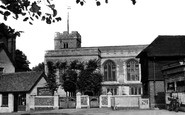
Church Street Weybridge
This is a view looking toward the High Street - what looks like two brick memorials (on the left) is the entrance to the cottage hospital. On the opposite side of the road is the bus stop where I use to catch the bus to ...Read more
A memory of Weybridge in 1965 by
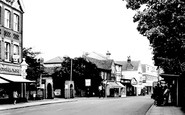
Torrington Fondly Remembered
I have a lot of memories, some good some not so good. I arrived in Torrington employed as a fireman by British Rail, this was a year or two before the demise of steam and indeed the Torrington /Barnstable branch line. I ...Read more
A memory of Taddiport in 1959 by
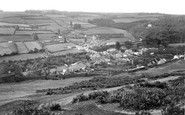
South Weald School
My memories of St Peter’s school South Weald - starting in 1956(?) I started, in what I seem to remember as the ‘pre-fab’ classroom in the lower playground with, I believe, Mrs Fox as my first teacher. We had slates and chalks ...Read more
A memory of South Weald in 1956 by
The Gayways Pop Band Venue,Northampon
Does anyone remember the Gayways club in Northampton, High Street? I used to go there to see pop bands like Dave Dee, the Hollies and numerous other rock and pop groups! It had nothing to do with actually ...Read more
A memory of Northampton in 1967 by
Your search returned a large number of results. Please try to refine your search further.
Captions
29,395 captions found. Showing results 21,625 to 21,648.

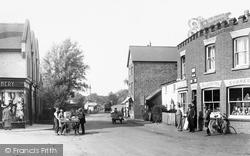
Both the buildings in the foreground are now part of the Roy empire; the battlemented one, oddly named 'Miss Roy', sells clothes. The original store is now a food hall and restaurant..
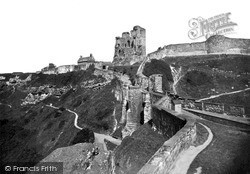
There is no evidence of the German bombardment in 1914 to see.
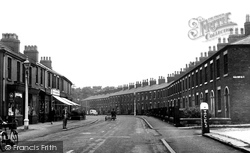
This is another view of Stanifield Lane, but further out from the village. The pre-war houses stand neat and square on the lane. Farington is a parish in South Ribble Borough.
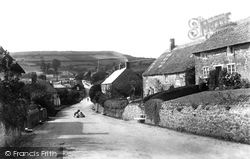
Looking westwards along Main Street towards Lyme Regis, with the plateau of Langdon Hill forming the skyline (centre).
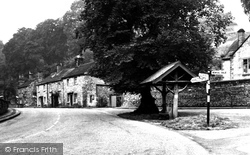
This is one of the six locations in the village where well dressing is carried out. For those interested in this ancient art, the dates coincide with those at Monyash. mentioned elsewhere.
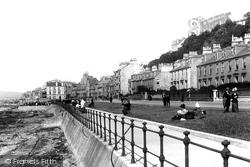
In 1688, the first recorded curing of red herrings took place here. Here we can see the pebble beach.
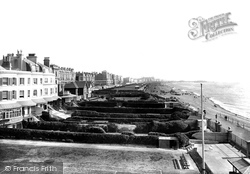
Courtenay Terrace is the only group of houses which had gardens backing onto the beach.
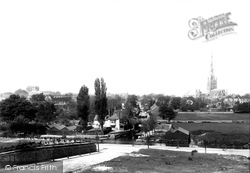
We are looking across the river Wensum, past the ancient Pull's Ferry named after a 19th-century ferryman; the cathedral and its precincts belie the industrial nature of late 19th-century Norwich.
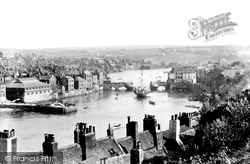
The swivel section of the stone bridge built in 1835 to replace the old Dutch-style drawbridge opens to let a ship through. Then, as now, crowds gathered to watch the operation.
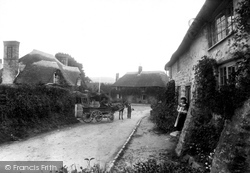
Harvesters work the fields within the shadow of Netherbury Church in the last peaceful years before the Great War.
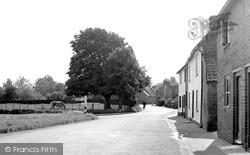
Bedfordshire brick and pantiles on the roofs place this row of cottages fronting on to the street in the early 19th century.
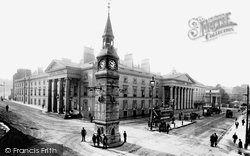
Derry's Clock, erected in 1862 by Samuel Derry, was known to generations of Plymothians as 'the four-faced deceiv- er' because all the clock faces told slightly different times.
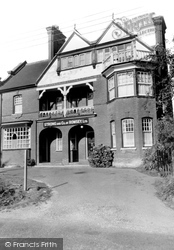
A number of inns, hotels and bed and breakfast establishments cater for the tourist.
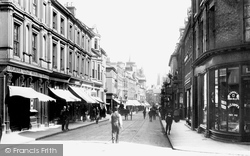
This brick gateway, which dates back to the 1520s, is all that stands of a scheme by Cardinal Wolsey to build a college in Ipswich.
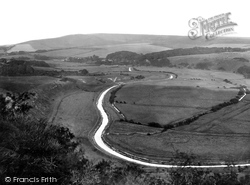
This view, from the famous High and Over viewpoint on the South Downs, shows the big meanders and flat valley floor of the only undeveloped river-mouth in the south-east.
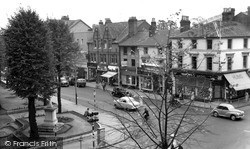
Blue-and-white and green-and-white striped awnings cover the rows of stalls which threaten to overflow into the churchyard.
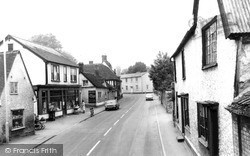
This view of the High Street must have been taken from a bedroom window. The shops and houses mix with small workshops and boundary walls.
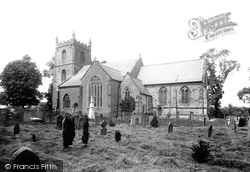
This was because the Bishops of Worcester maintained a palace in the village, and the church had to be big enough to accommodate the Bishop's entourage.
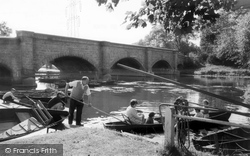
Of its sizeable population, many commute to surrounding East Midland towns.
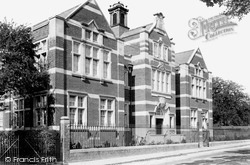
The building nearest the camera, Rainsford House, was built around the turn of the century. From1924 it housed the town's municipal offices, but was eventually replaced by a new Civic Centre.
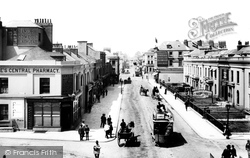
Even in Victorian times it had a wild reputation, but it reached the zenith of its colourful activities in the 20th century.
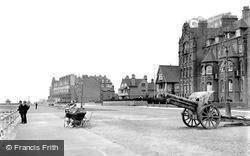
One medical expert at the time boasted that 'residence at Bexhill is especially beneficial in anaemia, scrofula and tuberculous diseases, and in diseases of the respiratory organs'.
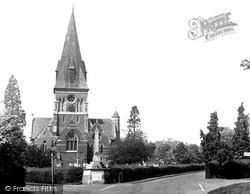
The gates to the churchyard are cast iron and very obviously much older, perhaps from the previous church which was built on the site in 1839.
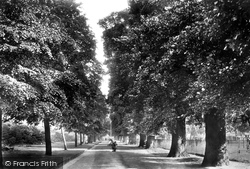
Once belonging to the collegiate church of St Mary-in-the-Fields, this green was an unofficial park until 1877.
Places (6814)
Photos (11145)
Memories (29074)
Books (442)
Maps (181031)